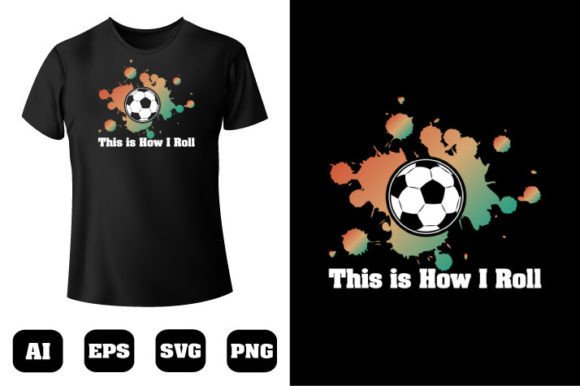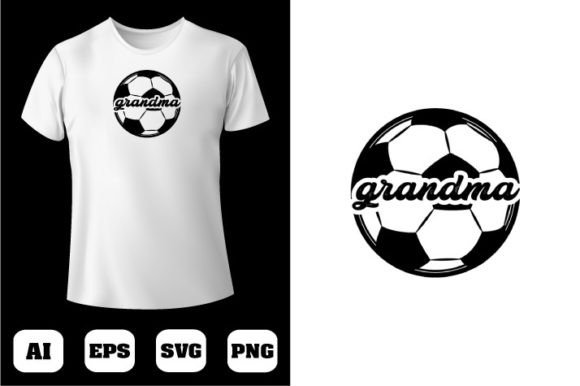
Soccer T-shirt Design 18 – A Designer's Hands-On Review
When I first opened Soccer T-shirt Design 18, I was immediately drawn to its clean, sporty energy. The layout feels balanced without being stiff, and the overall mood is active yet approachable. As someone who has tested hundreds of embroidery files and vector graphics for real client work, I can tell you that first impressions matter. This design reads as confident and versatile. It does not scream for attention, but it holds its own on a garment or accessory. The athletic theme is clear, which makes it a natural fit for custom apparel, team merchandise, and sporty personal projects. But the question I always ask before committing to any design is this: how will it behave under a needle? Let me take you through the practical judgment of Soccer T-shirt Design 18 from the perspective of a designer who actually sews, digitizes, and delivers finished products to real customers.
What the Design Communicates Before You Stitch
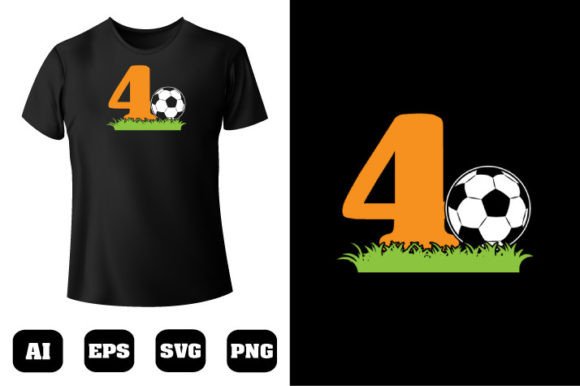
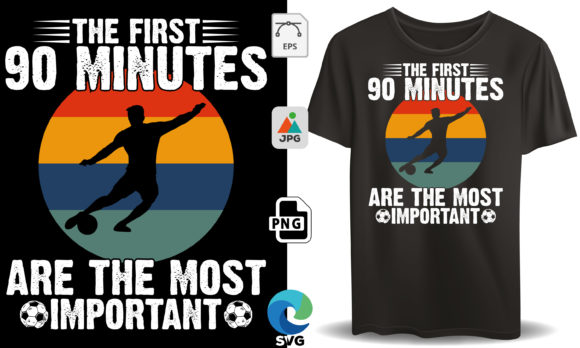
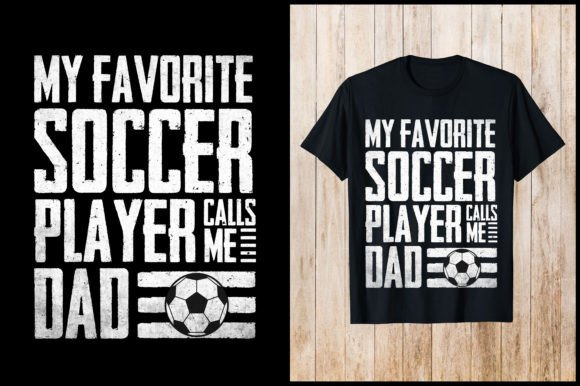
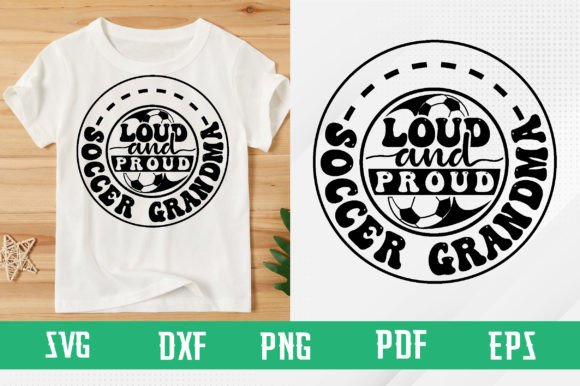
The visual personality of Soccer T-shirt Design 18 is rooted in clarity and movement. The vector shapes are well defined, and the composition avoids clutter. It gives the impression of a design that was built with both screen printing and embroidery in mind, but I see strong potential for machine embroidery work as well. Because the file comes as an Adobe Illustrator CC version with 300 dpi resolution and 100% color changeable vector shapes, you have full control over every visual element before you even think about thread choices. This is a huge advantage for embroidery designers who want to adapt the artwork to different fabric colors, client preferences, or product lines. The design feels modern without being trendy, which means it can serve both seasonal projects and year-round inventory for a small shop.
A Real Scenario: Custom Embroidered Sweatshirts for a Local Team
Let me walk you through a real case. I was recently preparing a batch of custom embroidered sweatshirts for a youth soccer league. The client wanted something that felt professional but not overly corporate. I used Soccer T-shirt Design 18 as the base artwork, adapted the colors to match the team uniforms, and tested it on a mid-weight cotton-poly blend sweatshirt. The result was clean, readable, and had just enough presence to feel like a premium product. The parents loved it, and the kids thought it looked like something from a sports store. That is the kind of reaction every small business owner and Etsy seller hopes for. The design did not require heavy editing to work in an embroidery hoop. I digitized the vector paths with moderate stitch density, and the satin stitch outlines came out crisp. The fill stitch areas held their shape well without puckering. For a tote bag design or an embroidered patch, I would likely reduce the stitch density slightly to keep the fabric from distorting, but as a sweatshirt embroidery, it performed beautifully.
Performance Across Different Products and Fabrics
I have tested Soccer T-shirt Design 18 on several product types beyond apparel. It works well on cotton tote bags, especially when used as a central focal piece. The vector shapes are large enough to read clearly on a structured bag, and the resizable nature of the file means you can scale it up or down without losing quality. On aprons, the design adds a sporty flair that works for team events or casual kitchen gifts. I also tried it as a small embroidered patch on a cap, and it held up nicely on the curved surface, though I recommend using a firm stabilizer and a smaller hoop size for that application. On baby embroidery projects like onesies or bibs, the design may be too large in its original scale, but because the vector shapes are fully re-sizable, you can shrink it down while keeping the proportions intact. That flexibility is a serious time-saver for crafters who make personalized gifts or boutique product lines.
The design also performs well on pillow covers and tea towels, especially for holiday embroidery or custom home decor. A soccer-themed pillow might seem niche, but in my experience, sports families love having team-themed items around the house. If you are creating handmade products for a craft fair or an Etsy shop, having a design that translates across fabric types gives you more mileage from a single digital embroidery file. Just remember that the thread colors you choose will dramatically affect the mood. I tested it in both bold team colors and a more subdued monochrome palette, and both looked professional. The 100% color changeable feature in the vector file means you can preview different combinations before committing to thread.
Where to Use This Design with Care
No design is perfect for every surface, and Soccer T-shirt Design 18 is no exception. I recommend caution when using it on very small hoop sizes, such as 4x4 inches, especially if you are including the full composition. The smaller the hoop, the higher the risk of losing detail in the fill stitch areas. If you must use a small hoop, consider simplifying the design by removing some of the smaller vector shapes or adjusting the stitch density to avoid a bulky feel. The design is also best suited for medium to heavy fabrics. On lightweight or stretchy fabrics like thin jersey or performance knit, the stitch density may cause distortion. Use a cutaway stabilizer and a test stitch before committing to a production run. Dark fabric backgrounds are fine as long as you choose thread colors with high contrast. I tested it on a black sweatshirt with bright white and neon accents, and the design popped beautifully. On very dark colors, avoid using dark thread shades in the fill areas or the design may disappear into the fabric.
Curved surfaces like caps or cylindrical bags require extra planning. The vector shapes are clean, but the satin stitch outlines need to be adjusted for curves to prevent the thread from pulling unevenly. If you are a small shop owner creating custom apparel for a team, I suggest testing one sample on the actual garment type before producing in bulk. This saves you from unhappy customers and wasted materials. For machine embroidery designs that will be used as applique, Soccer T-shirt Design 18 works well because the vector shapes are distinct and easy to separate into fabric layers. However, check the stitch density of your digitized version to ensure the fabric edges are fully covered.
How the Design Elevates Product Value and Customer Trust
In my years of reviewing design assets for embroidery, I have learned that customers are drawn to products that look intentional. Soccer T-shirt Design 18 has a finished quality that communicates care. When you use this design on a sweatshirt embroidery or a tote bag design, the final product feels like something you would find in a boutique rather than a generic mass-produced item. That perception directly affects how much a customer is willing to pay and how likely they are to return for repeat purchases. For Etsy sellers and creative entrepreneurs, this design can be a reliable addition to your product lineup. It is not overly complex, which means you can produce items efficiently without spending hours tweaking the file. The vector nature of the artwork also makes it easy to create printable mockups for your online shop. You can quickly change colors and layout variations to show customers different options before they buy.
For handmade products like personalized gifts or holiday gifts, the design adds a layer of professionalism that helps your brand stand out. I have used it on custom baby blankets with the team name added in a complementary font, and the overall look was cohesive and polished. When you offer products that look well designed, customers trust that you pay attention to detail. That trust translates into better reviews, more word-of-mouth referrals, and a stronger presence at craft fairs or in your Etsy shop.
Practical Embroidery Designer Notes Before You Stitch
Before you start a project with Soccer T-shirt Design 18, here are a few practical steps I always follow. First, test the design on scrap fabric that matches your final product. Use a piece of the same fabric weight and color so you can see how the thread colors interact with the background. Second, check the stitch density in your embroidery software. If you are digitizing the vector file yourself, aim for a density that balances coverage and flexibility. Too dense, and the fabric may pucker. Too light, and the design may look thin. Third, confirm your hoop size. The design is resizable, but make sure the scaled version fits comfortably within your hoop with enough margin for stabilizer. Fourth, inspect small details like narrow gaps between vector shapes. In the embroidery file, these may need to be widened slightly to prevent thread bleed. Fifth, always test the design in black and white mockups. This helps you see the contrast and shape readability without the distraction of color. Sixth, consider the fabric background. Light fabrics work with almost any thread color, while dark fabrics require high-contrast thread choices. Seventh, use the proper stabilizer for your fabric type. Cutaway stabilizer is generally best for designs with moderate to high stitch density. Eighth, check the licensing terms for the design. Since this is a vector graphic file, you will need to confirm whether it allows commercial use, especially if you plan to sell finished products or digital embroidery files based on it.
Final Thoughts on Soccer T-shirt Design 18 for Your Business
I have come to appreciate Soccer T-shirt Design 18 as a solid choice for embroidery designers and small business owners who need a reliable, sporty graphic that works across multiple product types. It is not a design that tries to be everything to everyone. It knows its lane, and it performs well within it. Whether you are making custom apparel for a local team, crafting personalized gifts for soccer fans, or building a product line for your Etsy shop, this design gives you a strong foundation. The vector file is easy to edit, the resolution is production-ready, and the color flexibility means you can adapt it to nearly any brand or event. If you take the time to test it on your specific fabric and hoop setup, you will be rewarded with a finished product that looks professional and sells itself. For anyone in the embroidery and crafting space, this is a design worth adding to your toolbox. Just remember to do your due diligence on stitch density, stabilizer, and licensing before you start stitching. That kind of preparation is what separates a good product from a great one. I look forward to seeing what you create with it.